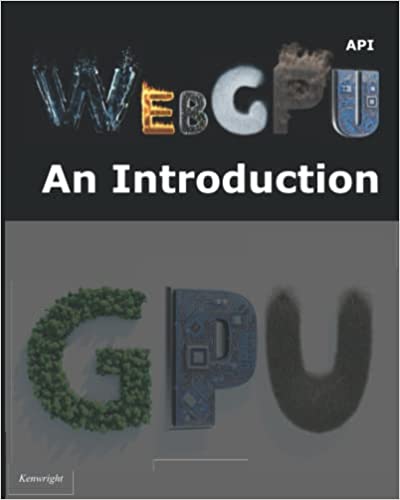
An enlightening journey into webgpu, "WebGPU API: Introduction" explores its profound influence on the data-driven world. With clarity and enthusiasm, this essential read delivers fresh perspectives and actionable insights that inspire curiosity and spark meaningful progress.
With a strong emphasis on real-world relevance, "WebGPU API: Introduction" equips readers with tools and insights to thrive in today's fast-evolving landscape of compute. Embark on a transformative journey through the world of webgpu with "WebGPU API: Introduction", a masterfully written guide that blends clarity with depth. The author's passion for the subject shines through every chapter, offering readers a refreshing mix of technical rigor and creative inspiration. Each page is infused with positivity and purpose, encouraging readers to think boldly and embrace new ideas with confidence.
I recommended this book to my entire team—and the results were immediate. Our workflow is sharper, our thinking more strategic.
This book doesn’t just inform—it challenges assumptions and introduces a bold, refreshing framework for thinking differently.
That insight on wgsl really stuck with me—so relevant to my work and thought process.
January 15, 2026
The storytelling woven into the analysis adds a human touch that makes the content both memorable and meaningful.
That section was brilliant. I've already applied those techniques with great success in my current projects.
January 11, 2026Same here. It’s rare to find a book that’s both intellectually rigorous and emotionally engaging—this one nails it.
January 17, 2026Stay updated with the latest in tech literature
For avid readers, literary adaptations can be a source of both excitement and contention. Will the visual language of the film match the landscape in ...
Read MoreA dose of Silver Age goofiness in "Bad Boy Clark Kent," this Superboy comic is a fun one. ...
Read MoreA look at the Seanchan concept of bringing order to conquered lands and how it may be affected by the Last Battle's approach. The post Reading The Whe...
Read MoreEnhance your reading and learning experience
Create a dedicated reading space with good lighting and minimal distractions.
Rubber Duck Debugging: explain your code line by line to an inanimate object.
Use the Feynman Technique: teach what you learn to someone else to identify knowledge gaps.
Use a pointer or your finger to guide your eyes. This can increase reading speed by 25%.
Organize books by color for visual appeal or by genre for practical access.
Write documentation as if the next person reading it is a violent psychopath who knows where you live.
Sarah Johnson
Professional ReviewerThat section was brilliant. I've already applied those techniques with great success in my current projects.
January 19, 2026